September 15, 2026
Commercial electrical contractors are pivotal in maintaining and expanding the essential infrastructure that supports modern industry. Whether it's installing complex electrical systems in new structures or upgrading outdated facilities, their work is critical to ensuring safety, functionality, and efficiency. As we delve into their responsibilities, qualifications, and overall impact, we will uncover how indispensable their roles are in today's technologically advanced world.
What to Know About Commercial Electrical Contractors
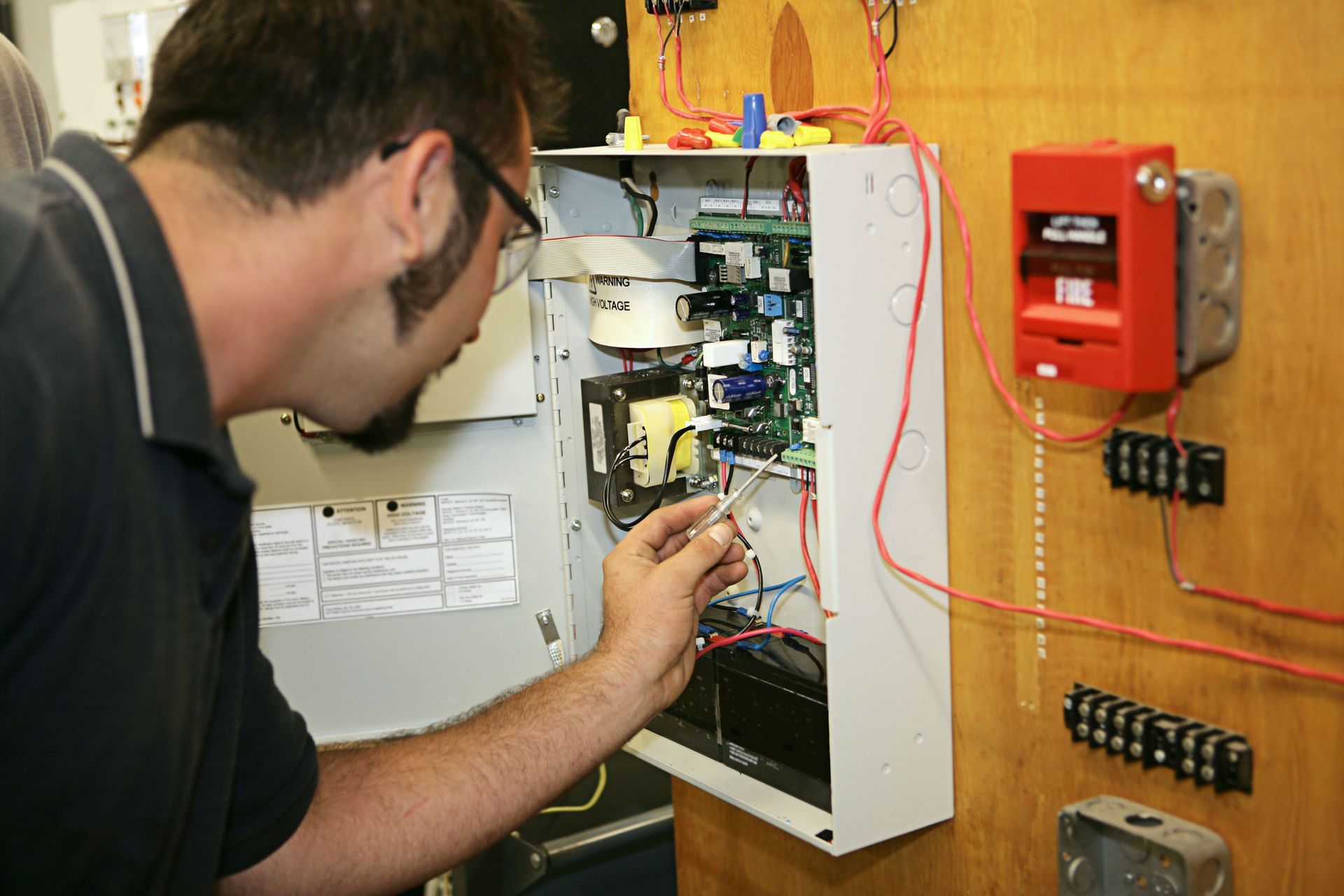
Commercial electrical contractors offer specialized services that involve the installation, maintenance, and upgrading of electrical systems in commercial facilities. These experts cater to a wide array of needs, ensuring that various structures receive adequate power distribution to function efficiently. Their responsibilities vary from designing intricate lighting systems to ensuring emergency power supplies for large buildings.
Their work not only demands technical skills but also a deep understanding of industry standards and client requirements. Each project undertaken requires meticulous attention to detail to ensure seamless and compliant installations. They address specific client needs whilst adhering to safety regulations, enhancing the overall reliability of electrical systems in buildings.
Their significant role spans developing tailored solutions for diverse environments, from offices to educational institutions. Understanding the specific needs of each commercial setting is crucial in providing effective electrical services. With broad expertise, they can execute projects that range from minor repairs to comprehensive electrical installations in skyscrapers.
Commercial electrical contractors are tasked with a variety of projects that encompass the installation and maintenance of electrical infrastructure. These can be divided into three main categories: new construction, renovation of existing structures, and ongoing maintenance work. Each category presents unique challenges and demands a distinct set of skills and knowledge.
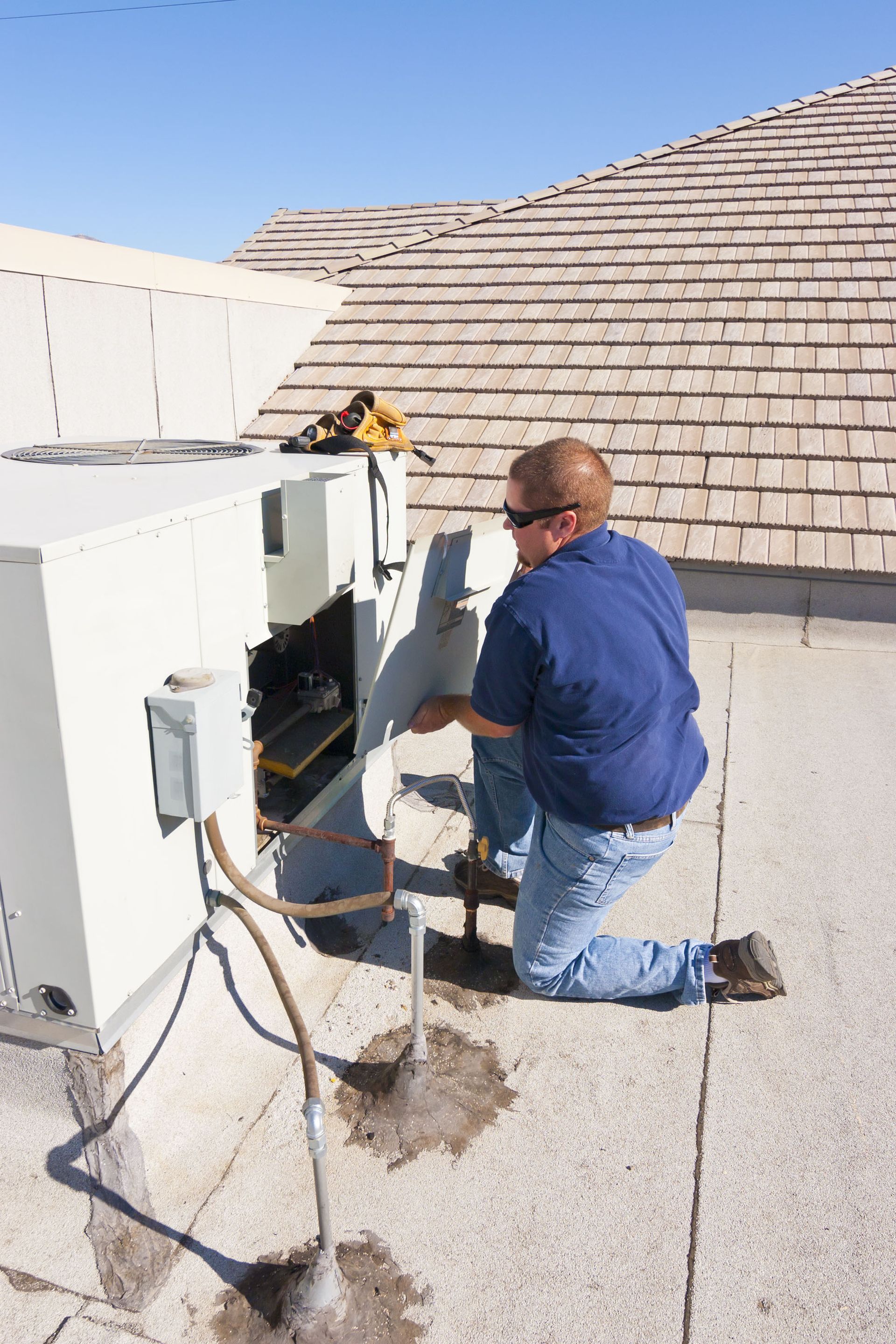
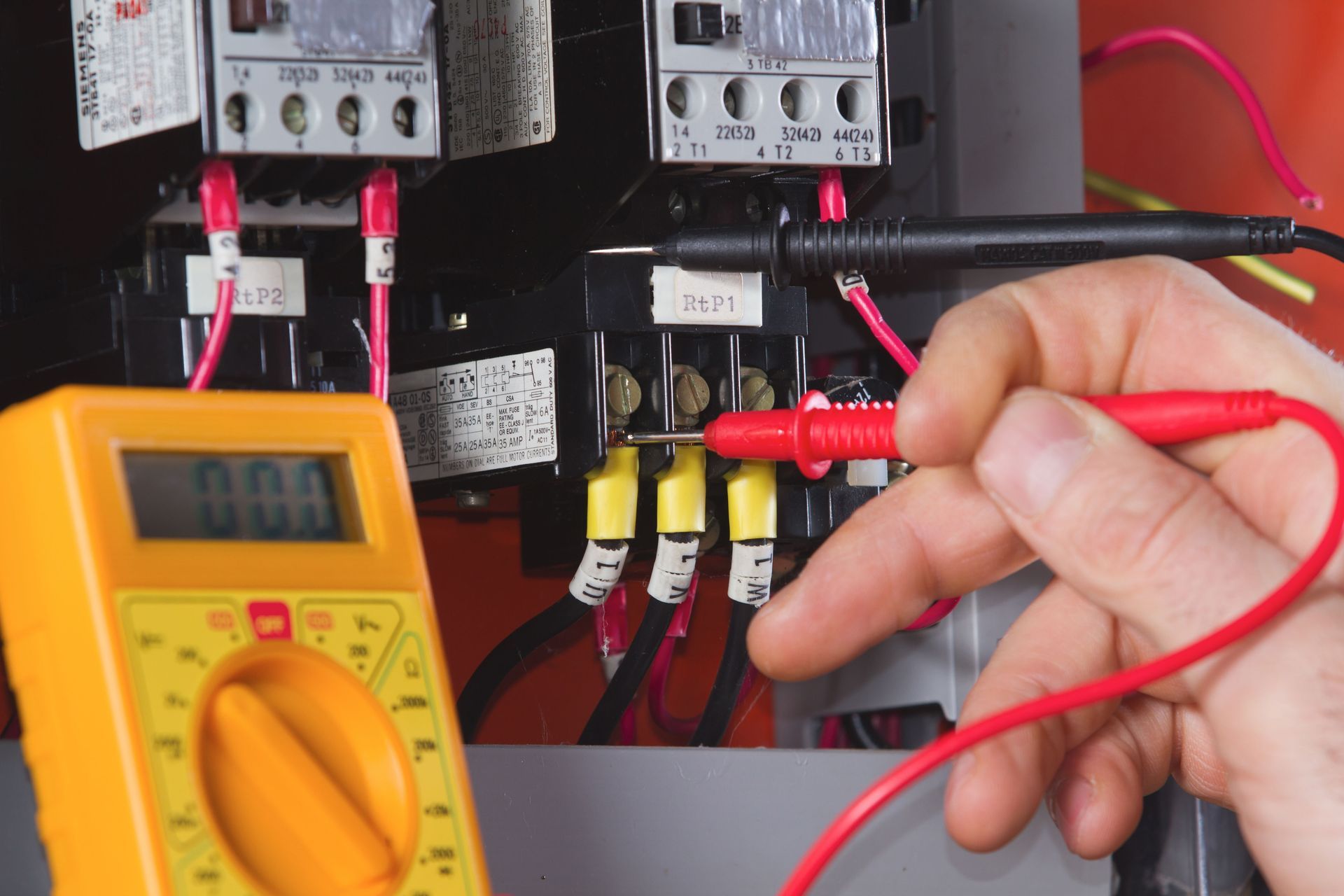
In new construction, contractors design and install complex electrical systems from scratch, requiring thorough planning and coordination. For renovations, they might upgrade outdated wiring, ensuring new installations comply with current codes and regulations. Ongoing maintenance involves routine checks and troubleshooting to prevent system failures and ensure longevity.
By handling such diverse assignments, contractors must adapt to the evolving technological advancements in the industry. Keeping abreast of new developments is essential for delivering high-quality and efficient services. This adaptability is a major asset in their toolset, allowing them to implement innovative solutions while maintaining safety and compliance standards.
The role of a commercial electrical contractor requires a unique blend of technical expertise and industry-specific knowledge. Essential skills include a proficient understanding of electrical systems, the ability to read and interpret blueprints, and expertise in using various electrical tools. Additionally, they must possess strong problem-solving capabilities to address unexpected challenges on site.
Qualifications for entering the field typically include completing an apprenticeship, followed by obtaining the necessary state or local licenses. Continuing education is often a requirement to maintain credentials and keep up to date with the latest safety regulations and technologies. Certifications in specialized areas can further enhance a contractor's skills and opportunities.
In an industry facing constant technological evolution, these professionals must also embrace emerging trends to stay competitive. According to Plant Services, 70% of industry professionals believe smart electrical tools improve safety and efficiency. Adopting such tools and technologies enables contractors to enhance their quality of service, further emphasizing the necessity of modern skills.
The Role of Commercial Electrical Contractors in Construction
Commercial electrical contractors play a crucial role in the pre-construction planning phase of a project. At this stage, their expertise contributes significantly to the development of sustainable and practical electrical designs. This process involves assessing site requirements, evaluating potential challenges, and estimating the resources needed for installation.
Through detailed analysis and strategic foresight, contractors collaborate with architects and engineers to create comprehensive electrical plans. These plans are crucial in ensuring that all design elements align with both functionality and compliance standards. The input from electrical professionals at this stage is vital, as it can prevent costly revisions and delays during implementation.
Effective pre-construction planning also includes value engineering, which involves optimizing project outcomes through cost-effective solutions. This approach not only enhances budget efficiency but also encourages the deployment of innovative technologies that align with long-term project goals. By doing so, contractors help lay a robust foundation for a successful construction phase.
The design and implementation phase is where commercial electrical contractors bring projects to life. Armed with expertise and carefully crafted plans, they embark on the intricate process of installing electrical systems. This stage demands precision and attention to detail, ensuring that all components integrate seamlessly into the structure.
During this phase, contractors follow stringent protocols to ensure compliance with safety standards and building codes. Each element, from wiring to fixture installation, is meticulously executed according to the predetermined design and regulatory requirements. Their work ensures that systems are not only functional but also sustainable and reliable for long-term use.
As the demand for more efficient and smarter buildings grows, contractors are increasingly incorporating innovative solutions such as smart grids and automated systems. These technologies enhance the user experience while optimizing energy consumption. The ability to implement such advanced systems cements the vital role contractors play in modern construction projects.
In construction projects, safety measures and compliance are paramount to a commercial electrical contractor's responsibilities. Ensuring safety involves adhering to established regulations, utilizing proper equipment, and implementing best practices on-site. These measures protect both the workforce and the integrity of the electrical system being installed.
Training is essential in cultivating a safety-conscious culture within the contracting workforce. Regular safety courses and adherence to OSHA guidelines ensure that contractors stay aware of potential hazards and know how to mitigate them effectively. An emphasis on safety reinforces a contractor's commitment to delivering quality service without compromising well-being.
Licensing and Credentials: What to Look For
Obtaining state licensing is a mandatory requirement for commercial electrical contractors, varying from one jurisdiction to another. Each state enforces unique criteria involving both education and experience, setting the foundation for professional practice. A comprehensive understanding of these requirements is crucial for contractors starting or expanding their business footprint.
Licensing typically involves passing a standardized test that evaluates knowledge of electrical theory, codes, and regulations. This exam ensures that candidates possess the technical competence and understanding of local laws necessary to safely perform their duties. State licensing acts as a consumer protection measure, guaranteeing that clients engage qualified professionals for their projects.
Beyond upfront requirements, maintaining a license often requires participating in continuing education programs. Such courses keep professionals informed about changes in regulations and emerging trends. Ongoing education ensures that contractors remain compliant and equipped to deliver high-quality electrical services amid industry evolution.
Beyond mandatory licensing, certifications and specialized training programs greatly enhance a contractor’s capabilities and market appeal. These credentials demonstrate proficiency in specific skill areas, from eco-friendly installations to advanced automation systems. They reflect a commitment to excellence and an investment in professional development.
Associations and educational institutions offer training and certification programs that keep contractors updated on the latest advancements in technology and safety practices. By earning such certifications, contractors distinguish themselves from competitors, expanding their ability to secure diverse and specialized projects. These qualifications are an indicator of dedication to maintaining high industry standards.
Professional associations play a significant role in the development and ongoing support of commercial electrical contractors. Organizations such as the National Electrical Contractors Association (NECA) and International Brotherhood of Electrical Workers (IBEW) offer resources, training, and networking opportunities industry-wide. Membership in these associations showcases a commitment to professional standards and ethical practices.
As part of these associations, individuals gain access to a wealth of knowledge and industry-specific updates. Monthly publications, conferences, and seminars offer insight into evolving practices, regulatory changes, and technological advancements. Involvement with such organizations keeps professionals connected to the broader community and aids in fostering the exchange of ideas.
Commercial electrical contractors are an important part of successful construction, renovation, and facility maintenance projects. From planning and installation to safety compliance and ongoing education, their work helps keep commercial electrical systems functional, reliable, and up to current standards. As technology continues to evolve, their knowledge and ability to adapt will remain important in supporting the electrical needs of modern commercial buildings. For experienced commercial electrical contractors you can count on, contact Service Electric today.