January 16, 2026
Electric contractors play an essential role in ensuring that homes are safe and adhere to the latest electrical codes and standards. This article delves into the multifaceted functions they perform, the regulations they must navigate, and the technologies they employ to guarantee that electrical systems are both safe and efficient. Considering the practical aspects of their work as well as the theoretical framework of regulations, this article provides an insightful look into the world of electric contracting. Over the years, the importance of this profession has grown, especially with the rapid development of technology and innovation in home systems. As homes become smarter, the demand for skilled contractors will only increase, making it paramount to understand their essential role.
Understanding Electrical Codes and Standards
The National Electrical Code (NEC), which is updated every three years, serves as the benchmark for electrical safety standards in residential construction. While the NEC provides a comprehensive guide, contractors must also be cognizant of regional variations and supplemental codes that may apply in specific areas. This involves a thorough understanding of amendments made by state and local jurisdictions to ensure compliance with localized safety requirements. Furthermore, contractors often liaise with building inspectors to verify that installations adhere to these intricate codes. The synergy between national, state, and local regulations establishes a framework that prioritizes safety and efficiency.
Staying updated with the latest electrical codes is crucial for contractors as it directly impacts their compliance and safety work expectations. Each code update often includes new safety protocols and technology considerations that are vital for modern installations and designs. As technology advances, codes also evolve to integrate considerations for new systems and components such as solar panels and electric vehicle charging stations. Contractors are expected to maintain a continuous learning approach to ensure their practices align with contemporary standards. This ongoing education and adaptation to changes are critical for sustaining safety and innovation in electrical installations.
Electrical installations are governed by both national and local codes, creating a complex regulatory landscape. National codes provide a foundational framework, establishing the baseline for safety and efficiency. Local codes, however, can introduce additional regulations that reflect regional needs and challenges, such as weather conditions or historical building preservation requirements. For contractors, understanding the interplay between these layers of codes is essential to ensure comprehensive compliance. Failing to navigate these regulatory nuances can result in safety violations, legal liabilities, and potentially hazardous installations.
Non-compliance with electrical codes can lead to a multitude of issues, ranging from safety hazards to significant financial penalties. Poorly installed systems can cause electrical fires, circuit overloads, and pose significant risks to residents' safety. Electric contractors must be vigilant in adhering to codes to prevent such severe outcomes. Violations of electrical codes can also result in costly project delays, legal disputes, and damage to a contractor's professional reputation. Ultimately, compliance is not just a regulatory requirement but a moral and professional obligation to ensure public safety.
Role of Electric Contractors in New Home Construction
Contractors start their role in new home construction by engaging in meticulous planning and designing of the electrical systems. Working closely with architects and structural engineers, they design systems that optimize performance while ensuring safety and code compliance. Their expertise allows them to foresee potential challenges and incorporate solutions during the planning stages. This proactive approach minimizes risks and optimizes the overall efficiency of the electrical infrastructure. By integrating their professional knowledge with technological tools, contractors craft designs that meet the unique needs of each new home project.
The installation phase is critical, involving the precise placement of wiring, outlets, switches, and other electrical components. With, according to IBISWorld, over 250,000 electrician businesses in the U.S. as of 2025, the industry demands a high standard of workmanship to ensure consistent quality and safety. Contractors must follow the detailed plans to implement wiring layouts that accommodate both current and future electrical demands. Accurate installation not only underpins safety but also ensures energy efficiency and system longevity. Any errors during installation can compromise the entire system, underscoring the importance of skilled, experienced contractors in this phase.
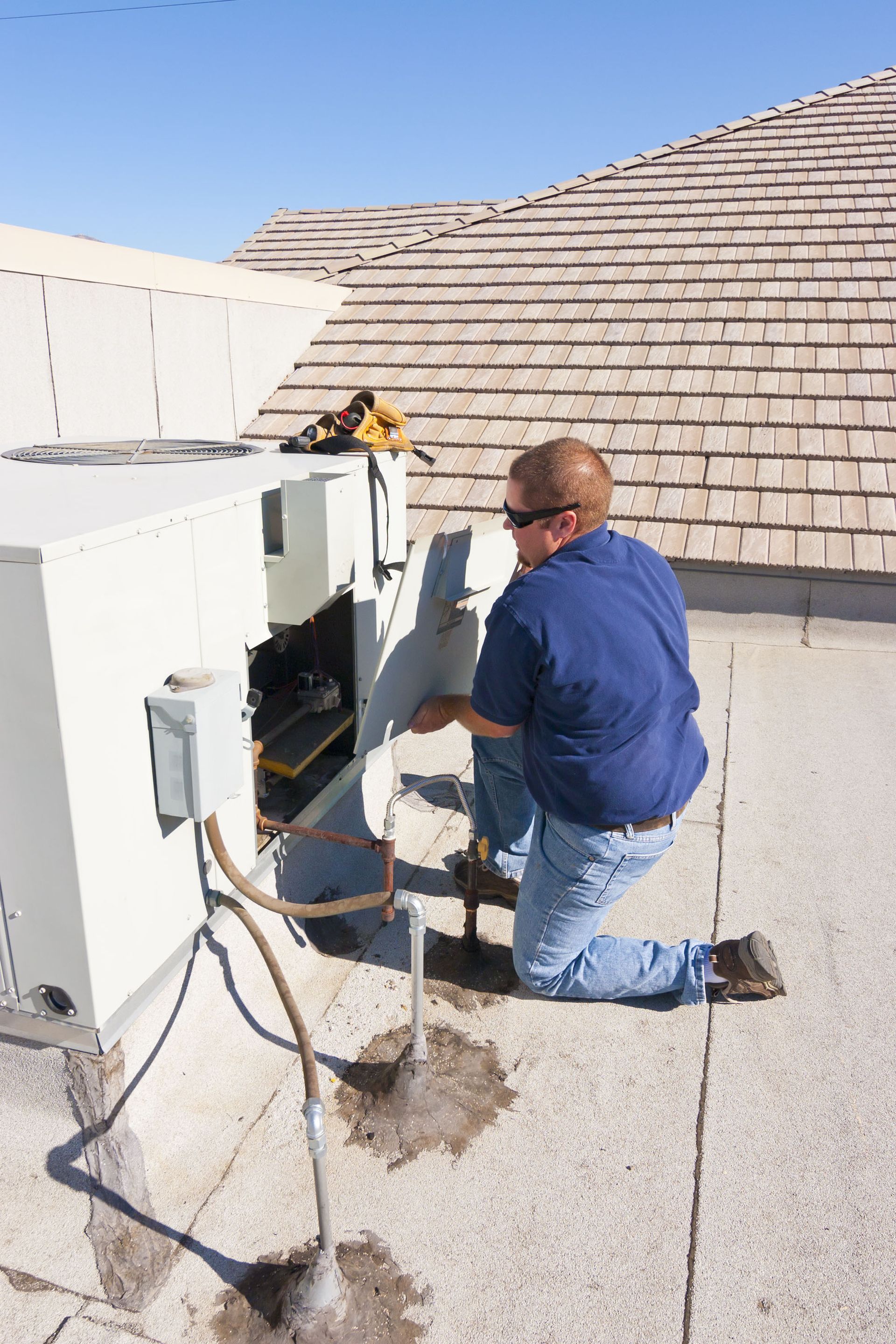
Effective communication and coordination with other construction professionals are imperative for contractors. By collaborating with builders, HVAC technicians, plumbers, and carpenters, contractors ensure that electrical installations integrate seamlessly into the overall construction framework. This interdisciplinary approach prevents conflicts and ensures that installations do not interfere with other systems. Regular meetings and sharing of plans help maintain synchronization throughout the construction process. Electric contractors' ability to work within a team ultimately results in cohesive and efficient home construction projects.
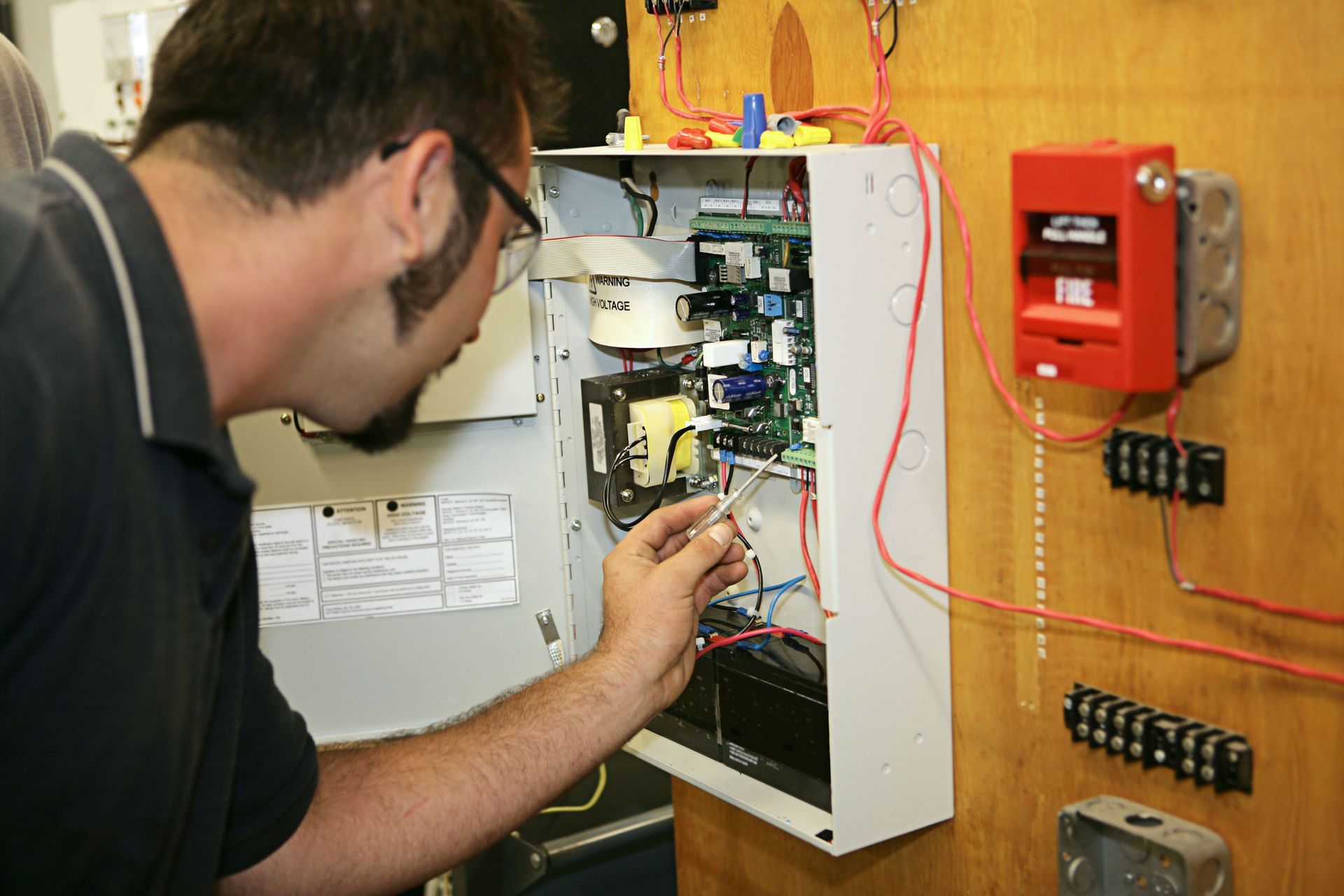
Throughout the construction process, contractors perform inspections and testing to ensure code compliance and safety. These evaluations involve checking connections, verifying the integrity of installations, and testing system functionality. Inspectors may assess work at various stages to validate adherence to plans and standards. This ongoing scrutiny allows contractors to address issues proactively, ensuring that minor defects are corrected before they escalate. Thorough inspection and testing processes are fundamental to building reliable and safe electrical systems within new homes.
Safety Practices and Protocols
Safety training is paramount for electric contractors as they frequently work in high-risk environments. Comprehensive training programs equip contractors and their teams with the knowledge and skills to navigate workplace hazards effectively. These programs cover essential aspects such as correct handling of tools, identification of potential risks, and operational procedures for maintaining safety. Through regular training updates, contractors stay informed about emerging safety practices and technologies. This continuous emphasis on education helps cultivate a strong culture of safety within the profession.
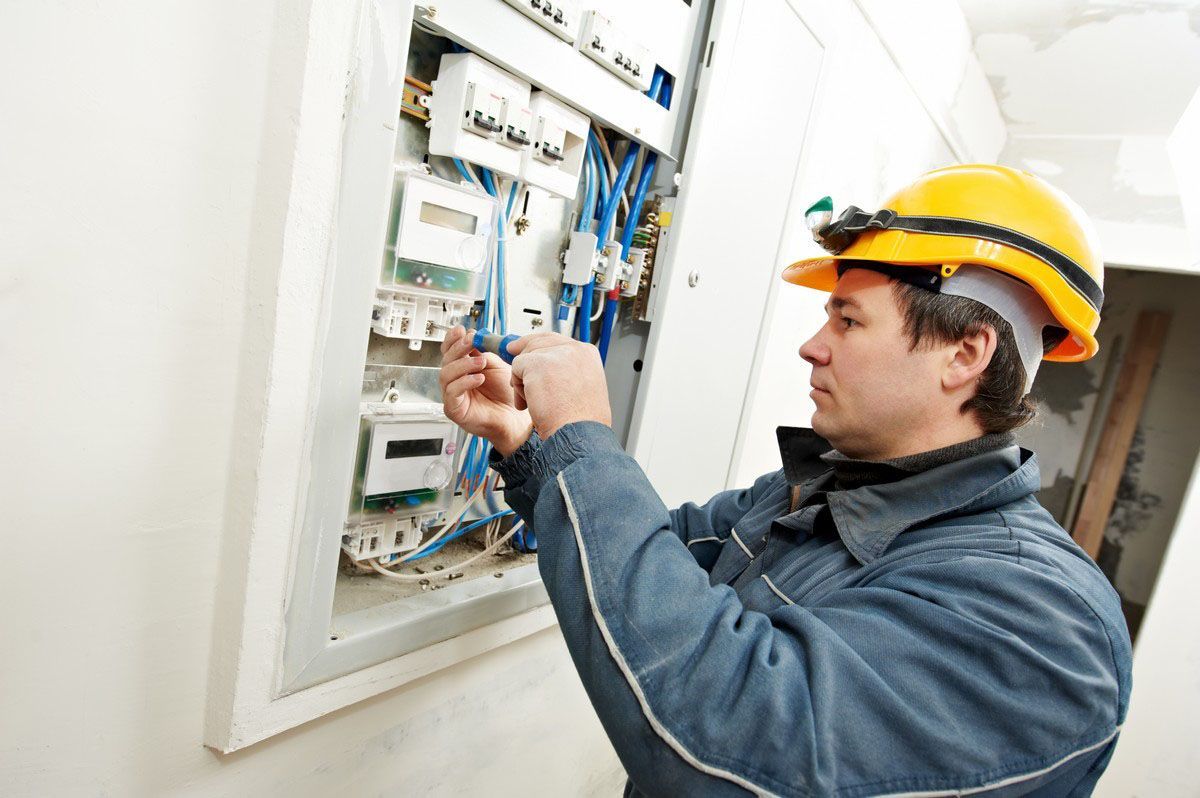
Utilizing personal protective equipment (PPE) is a fundamental practice among electric contractors. Equipment such as insulated gloves, helmets, goggles, and protective footwear shields contractors from potential injuries, electrical shocks, and other occupational hazards. PPE not only ensures the safety of individual workers but also promotes responsible practices across the entire team. Using the appropriate gear is a visible affirmation of the seriousness with which contractors regard safety protocols. Adherence to PPE guidelines reflects a commitment to maintaining a safe workplace and safeguarding life and property.
Lockout/tagout procedures are essential safety measures that contractors implement to prevent accidental electrical activation during maintenance or servicing. These procedures involve securing electrical sources in an \"off\" position and tagging them to denote their status, thus providing a visual warning to workers. Employing lockout/tagout systems helps prevent unintended energizing of equipment and reduces the risk of injury during electrical work. Contractors are trained in these procedures as a critical aspect of their safety protocol toolkit. Utilizing lockout/tagout effectively minimizes electrical hazards and upholds high safety standards.
Regular safety audits are integral to maintaining and improving safety standards within electric contracting operations. These audits involve systematic reviews of work sites, practices, and compliance with safety regulations. By identifying and addressing potential risks, audits help contractors refine their safety approach and prevent accidents. Continuous monitoring ensures adherence to protocols and prompts corrective actions when discrepancies are found. Embracing safety audits is part of a proactive strategy that underlines a contractor's dedication to creating a safe working environment.
Electric contractors are essential to the safety, efficiency, and innovation of modern homes. From meticulously designing and installing electrical systems to navigating complex codes and regulations, their expertise ensures that residential spaces are both functional and compliant with current standards. By prioritizing safety through training, PPE use, lockout/tagout procedures, and regular audits, contractors protect both workers and residents while fostering reliable, long-lasting electrical systems. Contact Service Electric to learn more today!