November 20, 2026
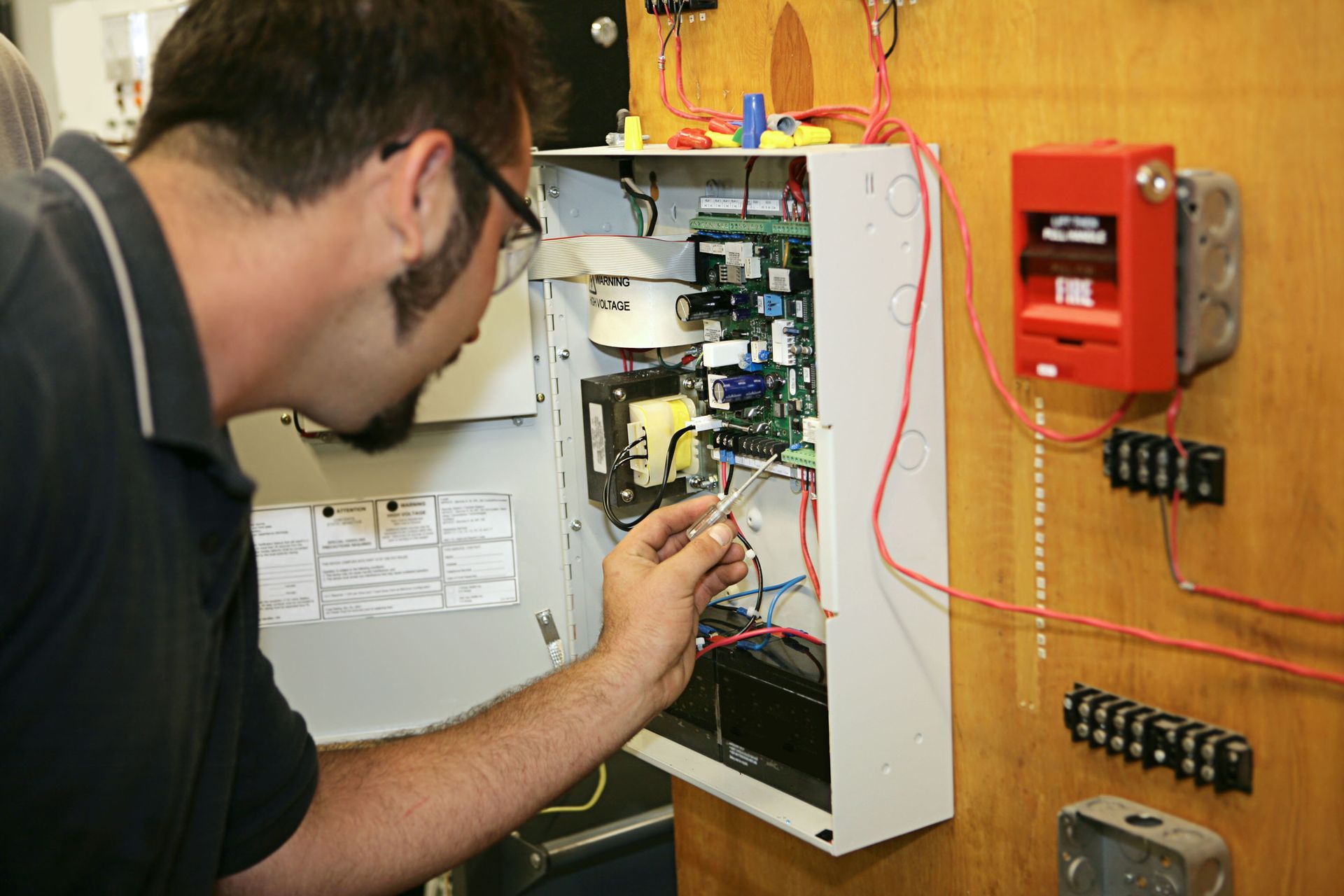
Commercial motor controls are essential components in industrial applications, ensuring the proper operation of machinery and equipment. However, these systems are prone to electrical issues that impact productivity and safety. Working closely with commercial electrical contractors early on can mitigate many of these risks. As industrial processes become automated, the reliance on robust motor controls increases. Staying informed about electrical issues is vital for technicians tasked with ensuring these systems run smoothly. With ongoing advances in electrification, addressing these issues proactively is important to protect equipment and personnel. By delving into common issues such as overloads, voltage irregularities, and faulty wiring, operators can better prepare and respond to potential system failures.
Identifying the Signs of Overloads
Overloads in motor controls occur when the current flowing through the system exceeds the designed capacity, risking damage to components. Early signs often include unusual noises, excessive heat emitted from the motor, or repeated tripping of circuit breakers. Operators should monitor for reduced efficiency in motor performance, as this can be a precursor to serious issues. Regular thermal inspections using infrared cameras help identify hotspots indicative of overload problems. By catching these signs early, experienced commercial electrical contractors can mitigate damage and extend the lifespan of your systems. Warning signs such as frequent humming or vibration often accompany overload conditions.
Evaluating Causes of Short Circuits in Motor Controls
Short circuits in motor controls arise from factors like insulation failure, corrosion, and physical damage to circuitry. Over time, exposure to moisture and contaminants degrades insulation materials, increasing the likelihood of a short circuit. Additionally, inadvertently pinched wires during maintenance work contribute to this issue. Identifying and addressing these root causes prevents catastrophic failures in industrial applications. Detect short circuits by checking for sparks, smoke, or burning odors. Visual inspections often reveal melted components or visible arcing, which are clear signs of trouble.
Establishing Preventive Measures and Safety Protocols
Establishing stringent preventive measures and safety protocols is pivotal to safeguarding motor controls from electrical problems. Routine system inspections help identify potential issues before they evolve into significant failures. Implementing lockout and tagout programs limits access during maintenance, protecting employees from unexpected energization. Working alongside seasoned commercial electrical contractors reduces downtime and enhances overall system robustness. Safety training programs equip employees with the knowledge to identify and mitigate potential risks, improving site safety culture.
Choosing Common Overload Protection Devices
Overload protection devices are vital in preventing damage to motor controls from excessive electrical current. Thermal overload relays detect and interrupt overheating circuits, acting as the first line of defense. Magnetic circuit breakers provide rapid intervention, disconnecting power efficiently compared to thermal fuses. Properly choosing and calibrating these protection devices ensures compatibility and optimal performance. Circuit breakers must be correctly rated to match the operational parameters of each motor control system to avoid unwanted interruptions.
Troubleshooting Overload and Short Circuit Issues
Troubleshooting overload and short circuit issues is a crucial part of maintaining motor control reliability. The process typically begins with a thorough system inspection to identify anomalies in circuit conditions. Technicians should employ a step-by-step diagnostic approach, analyzing electrical schematics comprehensively. Utilizing testing tools such as oscilloscopes aids in measuring electrical signals and identifying disturbances. Professional commercial electrical contractors bring invaluable expertise when complex faults require systemic repairs. Documentation of the troubleshooting process provides insight into the frequency and nature of problems.
Recognizing Symptoms of Voltage Irregularities
Voltage irregularities, including undervoltage and overvoltage, are significant concerns in motor control systems. Symptoms may include erratic motor behavior, unexpected shutdowns, or noticeable fluctuations in performance efficiency. Frequent system resets and tripped protection devices also signify underlying voltage problems. Early detection through continuous monitoring and routine voltage checks is crucial to mitigate potential consequences. According to Electrical Technology, 208 volts is a voltage commonly used in the US for commercial and industrial applications because it is typically meant for three-phase power systems, which operate larger equipment and machinery. Motor controls are especially sensitive to any deviations from standard operational limits, making prompt identification of symptoms vital to avoid system damage.
Mitigating the Impact of Voltage Variations on Motor Operations
Voltage variations significantly impact motor operations, affecting both performance and longevity. Undervoltage conditions require motors to draw more current to sustain operation, leading to excessive heating and potential thermal damage. Alternatively, overvoltage scenarios may cause insulation breakdown and lead to premature motor failure. Both instances result in reduced efficiency and increase the likelihood of unexpected shutdowns, disrupting production flow. Understanding these impacts helps operators implement timely interventions and avoid severe implications for your facility.
Implementing Voltage Monitoring and Regulation Techniques
The implementation of voltage monitoring and regulation techniques is critical for maintaining stable motor control operations. Automated monitoring systems track real-time voltage levels, providing alerts in case of deviations from predefined thresholds. These systems enable immediate rectification actions to prevent adverse effects, enhancing response rates. Power quality analyzers offer in-depth evaluations of voltage fluctuations, facilitating the identification of root causes. Reliable commercial electrical contractors can integrate these monitoring tools seamlessly into your existing infrastructure to prevent unexpected downtime.
Picking the Right Voltage Protection Devices
Picking the right voltage protection devices is essential in safeguarding motor controls against electrical anomalies. Surge protectors and voltage stabilizers provide robust defense against voltage spikes and dips that compromise system functionality. When choosing protection devices, factors such as application context and budget constraints should be considered. Compatibility with existing infrastructure ensures seamless integration across the facility. Skilled commercial electrical contractors often provide valuable guidance in matching the precise technical specifications to your specific operational demands and systems.
Managing Voltage Fluctuations With Effective Solutions
Effective management of voltage fluctuations calls for a confluence of strategic approaches, technical solutions, and operational guidelines. Comprehensive voltage control frameworks act as the foundation for maintaining system stability through detailed monitoring and regulatory interventions. Deploying smart monitoring tools enables real-time tracking of electrical parameters, facilitating detailed analysis. This integrated approach allows for swift identification and response to voltage deviations. Sophisticated solutions such as dynamic voltage restorer systems offer advanced protection against voltage sags and interruptions, preserving operational reliability.
Recognizing Poor Wiring Symptoms
Poor wiring within motor control systems presents itself through various symptoms, indicative of underlying electrical deficiencies. Signs include frequent circuit breaker trips, unusual noises, and vibrations emanating from control systems. Facility operators should also look out for physical indicators such as superficial scorch marks or damaged insulation. Early recognition of these symptoms provides warning against impending wiring malfunctions. By addressing these signs promptly, commercial electrical contractors can mitigate the risks associated with faulty wiring within industrial setups and facilities.
Avoiding Common Wiring Mistakes in Motor Controls
Common wiring mistakes within motor control systems frequently originate from human error during installation and maintenance. Misaligned connections or incorrect wire sizing can lead to operational inefficiencies and safety hazards. Additionally, using substandard components or failing to adhere to electrical codes increases susceptibility to wiring failures. Oversights in securing loose connections may result in arcing, causing physical damage and system disruptions. Providing comprehensive guidance and conducting on-the-job supervision during wiring operations minimizes potential errors and consolidates workforce capabilities.
Ensuring Secure Connections With Proven Techniques
Ensuring secure connections in motor control systems requires a multifaceted approach that combines technical rigor with practical application. Utilizing high-grade connectors compatible with existing circuits is fundamental to fostering reliable electrical pathways. Cable management solutions such as harnesses and labeling ensure better organization, precluding inadvertent disconnections during maintenance. Regular inspections and torque checks of connections confirm the sustained integrity of electrical linkages through troubleshooting measures. This methodical approach ensures that connections maintain their operational quality under dynamic conditions.
Maintaining motor controls requires diligence, regular inspections, and a proactive approach to electrical troubleshooting. Addressing overloads, voltage irregularities, and faulty wiring early on prevents costly downtime and keeps your industrial operations running efficiently. Partnering with experienced professionals ensures that your equipment remains in peak condition year-round. As dedicated commercial electrical contractors, we understand the unique challenges of your industry. If you need assistance with your commercial electrical setups or require routine maintenance, we invite you to rely on our expertise. Contact Service Electric today to keep your operations safe and productive.